Most buyers discover that the heaters listed on spec sheets often deliver far less far-infrared than the numbers suggest, pushing them to verify real output and patent records before committing. SaunaCloud's VantaWave system and the three thousand custom installs completed since 2014 give one concrete benchmark for that check.
By the final page you will know which patent details separate measurable performance from marketing copy, how wavelength and EMF data compare across the two leading options, and the exact warranty and installation items that determine long-term cost once the units arrive.
What to Look For in Patented Far-Infrared Technology
Patented far-infrared heaters are defined by measurable wavelength accuracy, surface temperature, and documented EMF output. These specifications determine how effectively an infrared sauna delivers heat therapy while maintaining safety standards.
Buyers evaluating 2026 sauna models should verify several technical criteria before purchase. The following factors help distinguish quality far-infrared technology from standard heating systems.
Peak wavelength output should fall between 7-10 microns for optimal penetration during detoxification and pain relief sessions. This range supports circulation improvement and skin rejuvenation benefits associated with wellness equipment.
Surface temperature measurements provide another key indicator. Quality models maintain readings at or above 180 degrees Fahrenheit to ensure consistent heat delivery throughout each session.
EMF readings represent a critical safety consideration. Low-EMF sauna designs should register below 3 milligauss at normal user distance to minimize electromagnetic exposure during relaxation therapy.
Third-party certification documents offer independent verification of these specifications. Look for reports from recognized testing laboratories that confirm wavelength accuracy and EMF compliance.
Patent verification adds another layer of assurance. Users can check manufacturer websites to confirm patent numbers and verify the authenticity of advertised far-infrared technology claims.
1. SaunaCloud - Best Overall
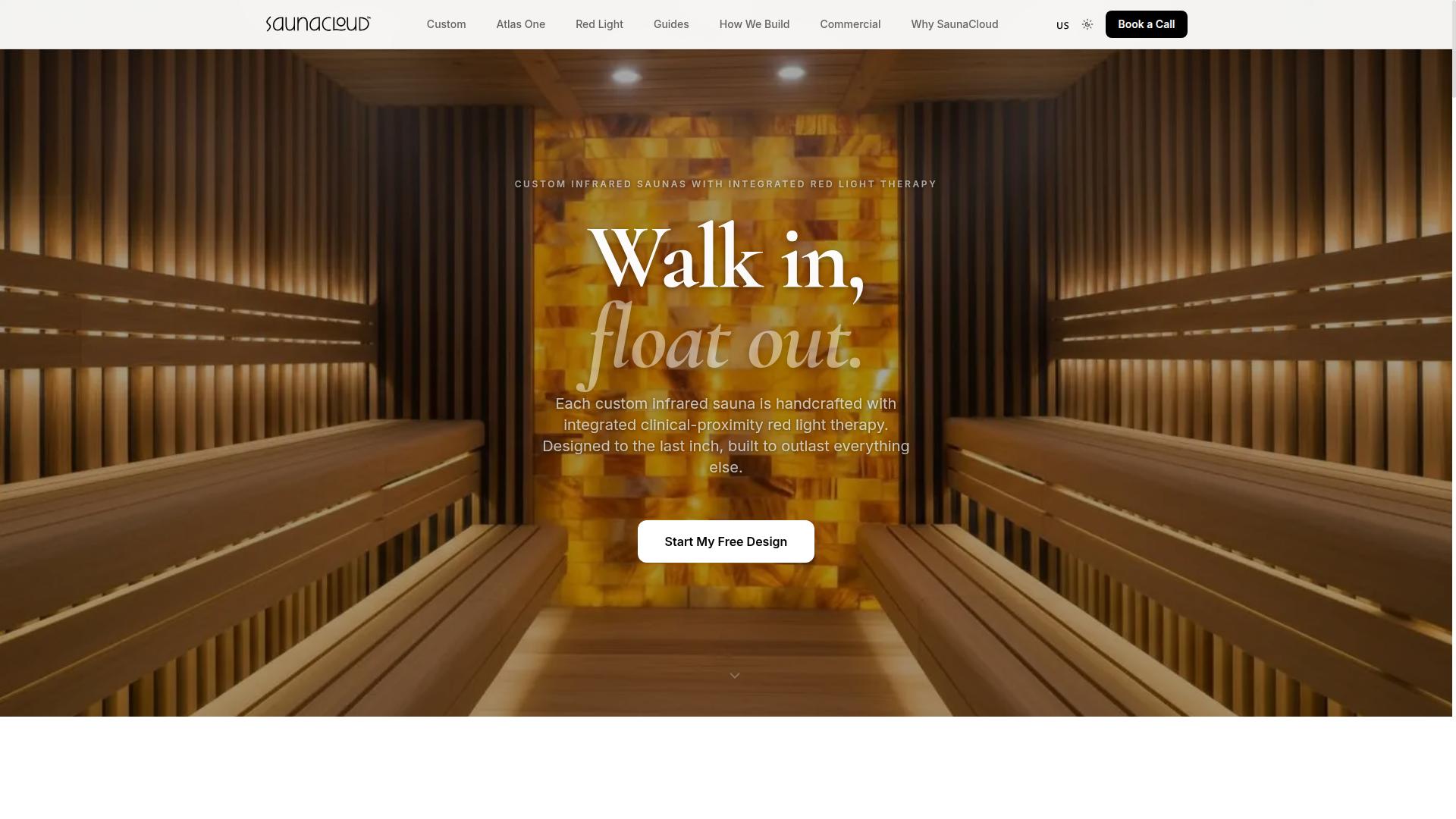
SaunaCloud earns the top ranking through its combination of VantaWave(r) heaters and integrated clinical red light therapy.
The company began in 2014 with a focus on custom infrared sauna construction. It has completed more than 3,000 installations across North America. Every unit receives the same in-house engineering treatment from start to finish.
Western Red Cedar forms the only wood used in the cabin. No particle board, glues, or veneers enter the process. This choice supports the low-EMF sauna and hypoallergenic surfaces goals common in 2026 sauna models.
Users receive a lifetime warranty and control systems that include Wi-Fi connectivity. The same team also builds CORE 5(tm) power supplies and printed circuit boards. This vertical integration helps maintain consistent far-infrared technology performance across the Atlas and Sierra models.
VantaWave(r) Heater Performance
The VantaWave(r) carbon heaters reach 190 degreesF surface temperature while emitting at a 7.9-micron peak wavelength.
That wavelength sits within the range experts recommend for deeper tissue penetration. It supports circulation improvement and detoxification without excessive surface heat that can cause discomfort. Users report steady warmth that feels even across the body during longer sessions.
EMF readings stay below 3 mG and often measure under 0.5 mG at normal seating distance. This low-EMF sauna specification matters for anyone prioritizing safety certification and daily wellness equipment use. The carbon panels avoid the higher magnetic fields sometimes found in ceramic heaters.
Because the heaters are designed and manufactured in-house, calibration remains consistent from one unit to the next. Temperature calibration stays accurate across the entire heating surface. This precision helps maintain the energy efficiency expected in modern full-spectrum sauna designs.
Integrated Red Light Therapy
Each bench and backrest contains 660 nm red plus 850 nm near-infrared LEDs positioned 2-6 inches from the skin.
Red light therapy runs on 10-minute session protocols aimed at pain relief. Pre-programmed pulsing modes deliver variations that match common therapeutic patterns. No extra devices or separate stands are required.
The proximity range places the LEDs at clinical distance without user adjustment. This setup supports skin rejuvenation and relaxation therapy goals within the same cabin session. Users can combine heat therapy with light exposure in one continuous period.
Because the arrays are built directly into the seating surfaces, placement stays fixed and repeatable. This integration avoids the positioning errors common when users add portable red light panels to an existing sauna cabin. The same control system manages both heater timing and light therapy cycles.
2. Sunlighten
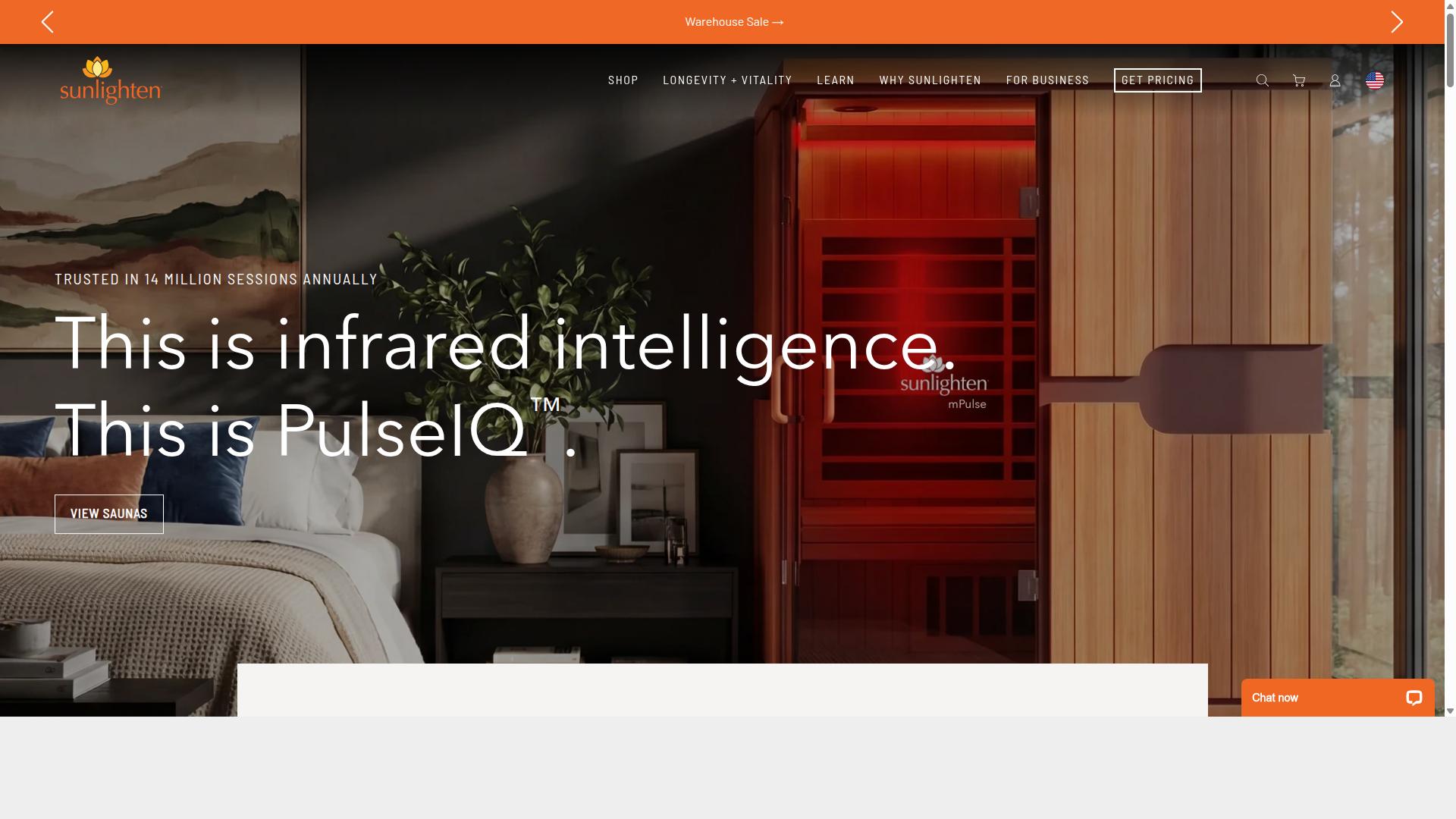
Sunlighten promotes its SoloCarbon heaters and mPulse full-spectrum models as premium alternatives. These units combine patented carbon technology with PulseIQ controls that allow separate delivery of different infrared wavelengths. The brand positions its 2026 sauna models as suitable for both home sauna setups and larger wellness facilities.
Customers can choose between portable sauna units like the Solo and cabin-style installations ranging from one to five persons. Full-spectrum sauna options include red light and near-infrared programs alongside traditional far-infrared technology. The company also offers chromotherapy lighting and digital controls across its product line.
Research suggests that far-infrared technology may support detoxification and circulation improvement when used regularly. Sunlighten markets its carbon heaters as delivering consistent heat output across different wavelengths. Users seeking pain relief or relaxation therapy often explore these features when comparing infrared sauna options.
Proprietary Heater Claims
Sunlighten asserts that its SoloCarbon panels deliver a high percentage of far-infrared output. The company emphasizes its patented heater design and the integration with CELLIANT-enhanced covers in certain models. These claims focus on the technology used to create the heating surface rather than specific temperature measurements.
Potential buyers should note the absence of independently published surface-temperature or wavelength graphs. Experts recommend requesting third-party lab reports directly from the manufacturer when evaluating these assertions. This documentation can help verify performance claims before making a purchase decision.
The mPulse collection includes six science-backed wellness programs that users can access through app control. These programs combine different infrared wavelengths for specific wellness goals. Energy efficiency and temperature calibration features appear in the product descriptions for these models.
EMF and Wavelength Data
The brand publishes EMF readings for its heaters, yet independent verification sites show variability across models. Buyers benefit from comparing published EMF test distances between different sauna manufacturers before making their selection. This comparison helps ensure the low-EMF sauna features meet individual safety preferences.
Requesting current certification documents before purchase provides additional verification of the published readings. Safety certification and medical-grade materials become important factors when evaluating infrared panels for home use. The company offers both signature far-infrared and full-spectrum sauna configurations.
Wavelength data helps users understand how different models may support skin rejuvenation and other wellness outcomes. Sunlighten includes modular design elements and ergonomic seating options across its product range. Warranty coverage details and customer reviews provide additional context for comparing these 2026 sauna models against other infrared sauna options available on the market.
How to Choose the Right Option
Decision criteria center on documented heater performance, warranty terms, and realistic installation logistics. Homeowners and clinic managers need a clear process to compare 2026 sauna models that claim patented far-infrared technology.
The following five-point checklist helps buyers verify performance claims before purchase. Each step focuses on measurable evidence rather than marketing language.
- Request current EMF and wavelength lab reports from the manufacturer before finalizing your decision.
- Verify warranty length and transferability, noting whether the coverage moves with the unit if you sell your property.
- Confirm delivery dimensions and door-swing clearance to ensure the sauna cabin fits the intended space.
- Review local electrical requirements, including circuit capacity and outlet placement, with a qualified electrician.
- Compare total cost including any accessory red-light add-ons that may improve circulation or skin rejuvenation.
Verifying Patented Technology
A verifiable patent number must appear on the manufacturer's website and in the product manual. Without this number, claims of patented far-infrared technology remain unproven.
Readers should search the USPTO or Google Patents database using the stated patent number. Cross-check that the issued patent covers heater construction rather than only the enclosure design. This distinction matters because heater construction directly affects far-infrared output and energy efficiency.
Patented heater designs often incorporate specific carbon or ceramic elements that deliver consistent wavelength ranges. Confirming the patent scope helps separate genuine innovation from marketing claims common in the wellness equipment market.
Installation and Warranty Factors
Professional installation is rarely required. Most units ship with pre-assembled panels and illustrated instructions that allow homeowners to complete setup within a few hours.
Buyers should confirm warranty length, seeking a minimum of five years on heaters. Transferability to new homeowners adds value for property resale, while availability of replacement parts for at least ten years protects the long-term investment.
Modular design features make future repairs straightforward. Medical-grade materials and hypoallergenic surfaces used in quality infrared saunas require compatible replacement components that maintain safety certification standards over time.
Final Verdict
SaunaCloud stands out because its VantaWave(r) heaters and integrated red-light system deliver verified low-EMF performance and clinical dosing in a single package.
Three measurable features separate premium far-infrared technology from generic models. EMF levels below 3 mG protect users from electromagnetic exposure during extended sessions. A peak wavelength of 7.9 microns targets deep tissue absorption without surface overheating.
Red-light panels positioned 2 to 6 inches from the body supply precise dosing that supports skin rejuvenation and circulation improvement. These specifications matter for people seeking measurable results from home sauna use rather than basic heat therapy.
Other 2026 sauna models may advertise far-infrared panels or low-EMF claims. Few publish independent verification of all three metrics together. Patented heater designs and medical-grade materials remain distinguishing factors when comparing full-spectrum options.
Prospective buyers can schedule a showroom visit at the Diamond Springs location or contact the Montreal office to review current lead times and custom configurations before committing to a purchase.
Call 800-370-0820 to speak directly with product specialists about available cabin sizes, chromotherapy lighting packages, and warranty coverage details specific to each model. This step confirms exact specifications before installation planning begins.
Recommended Resources: